2021.05.17 — 2021.06.15
The East of Reuven Mazel
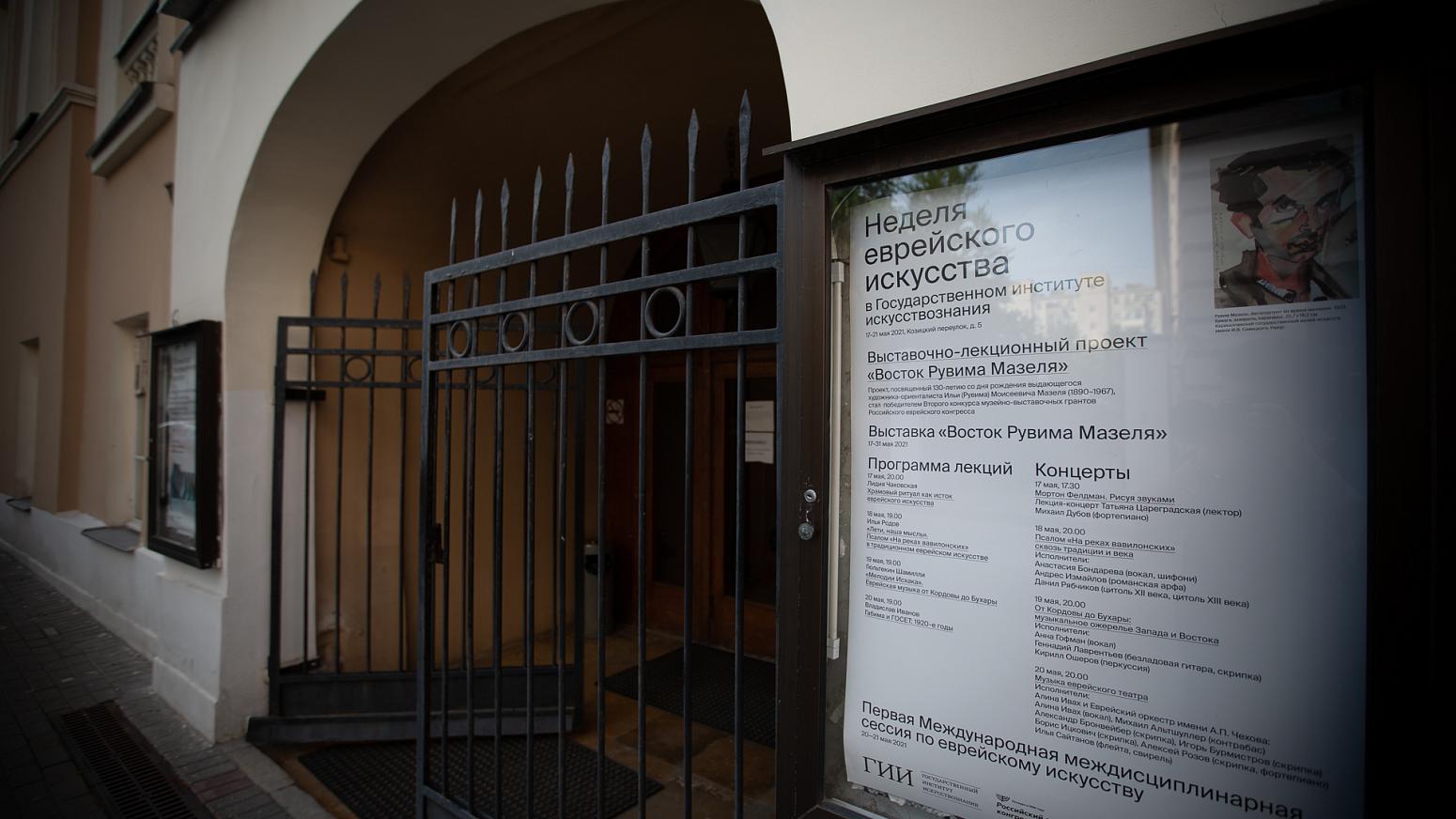
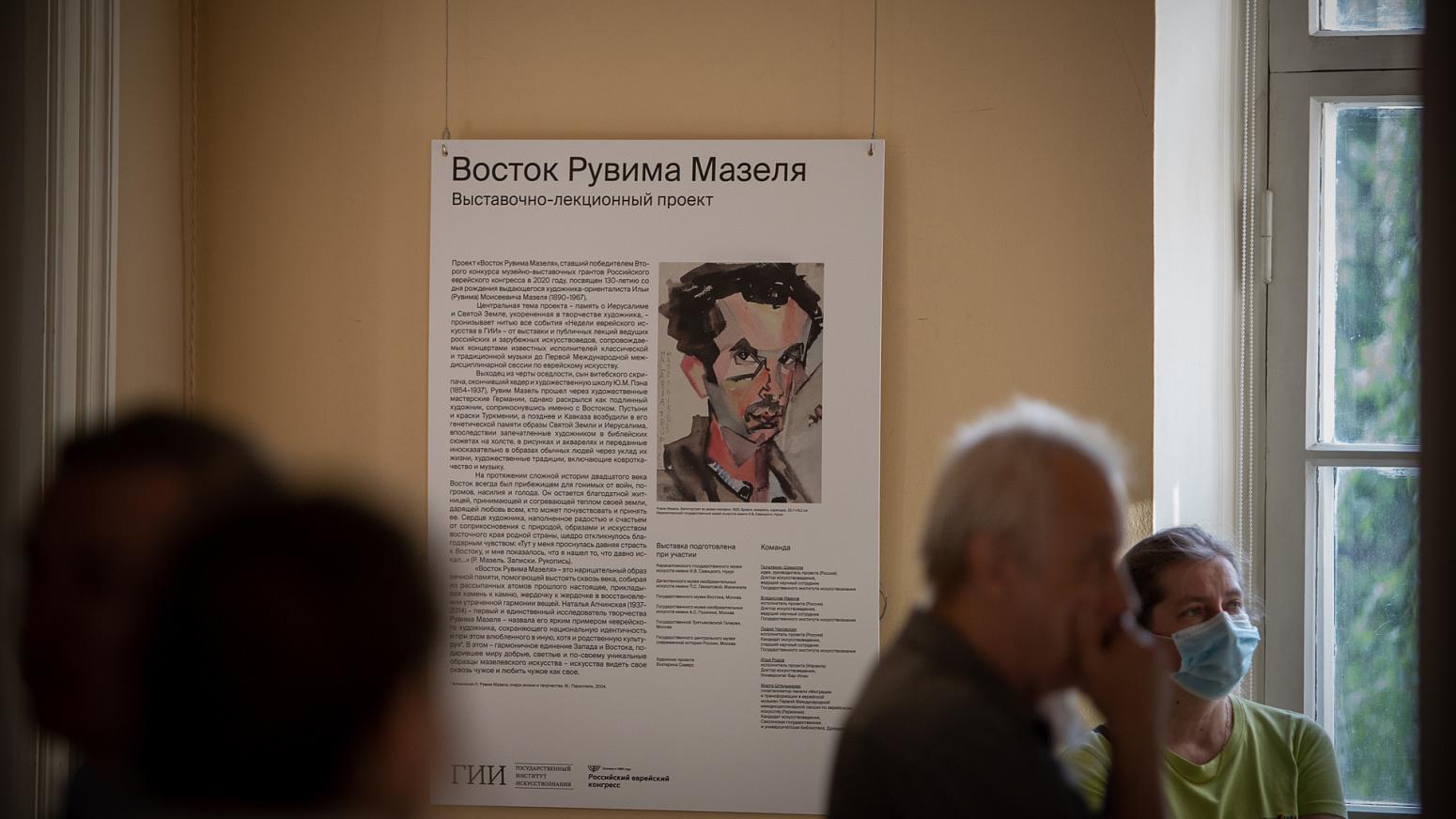
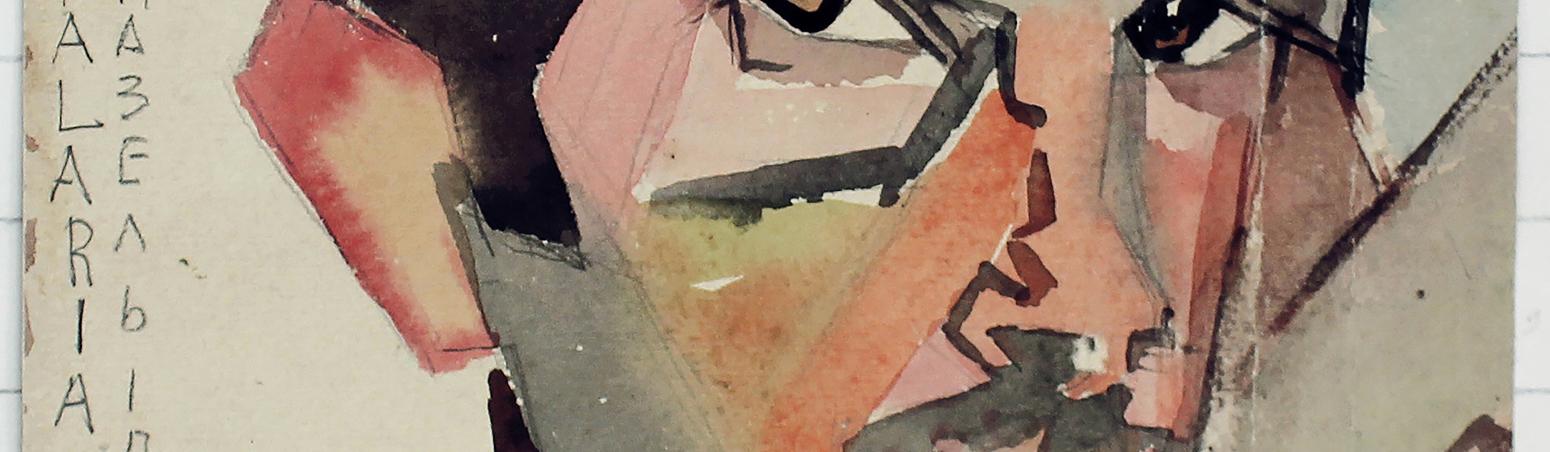
The central theme of the project – the memory of Jerusalem and the Holy Land, rooted in the artist's work, permeates all the events of the ‘Week of Jewish Art in SIAS’ – from exhibitions and public lectures by leading Russian and foreign art critics, accompanied by concerts of famous classical and traditional music performers, to the First International Interdisciplinary Session on Jewish Art. A native of the pale of settlement, the son of a Vitebsk violinist, who graduated from the Heder and the art school of Yuri Pan (1854–1937), Reuven Mazel passed through the art workshops of Germany, but revealed himself as a true artist, having come into contact with the East. The deserts and colours of Turkmenistan, and later the Caucasus, aroused in his memory images of the Holy Land and Jerusalem, subsequently captured by the artist not only in biblical scenes on canvas, in graphics and watercolours, but also transmitted allegorically in the images of ordinary people, through their life, artistic traditions, including carpet weaving and music. Throughout the complex history of the twentieth century, the East has always been a refuge for the persecuted from wars, pogroms, violence and famine. It has been and remains a fertile granary, accepting and welcoming with the warmth of its land, giving love to all who can feel and accept it. The heart of the artist, filled with joy and happiness from contact with nature, images and art of the Eastern edge of his native country, generously responded with a grateful feeling: ‘Here I woke up a long-standing passion for the East, and it seemed to me that I found what I had been looking for a long time...’ (R. Mazel. Notes. The manuscript). ‘The East by Reuben Mazel’ is a common image of eternal memory, which helps to survive through the centuries, collecting the present from the scattered atoms of the past, applying stone to stone, perch to perch in restoring the lost harmony of things. Natalia Apchinskaya (1937–2014) – the first and only researcher of the work of Reuven Mazel, called him a bright example of ‘Jewish artist who preserves national identity and at the same time is in love with a different, albeit related culture’. This is the harmonious unity of the West and the East, which gave the world gracious, bright and unique examples of Mazel’s art and reveals the skill to see your own through the other and to love the other as your own (from the book "The East of Reuven Mazel", p. 6).