2021.05.22

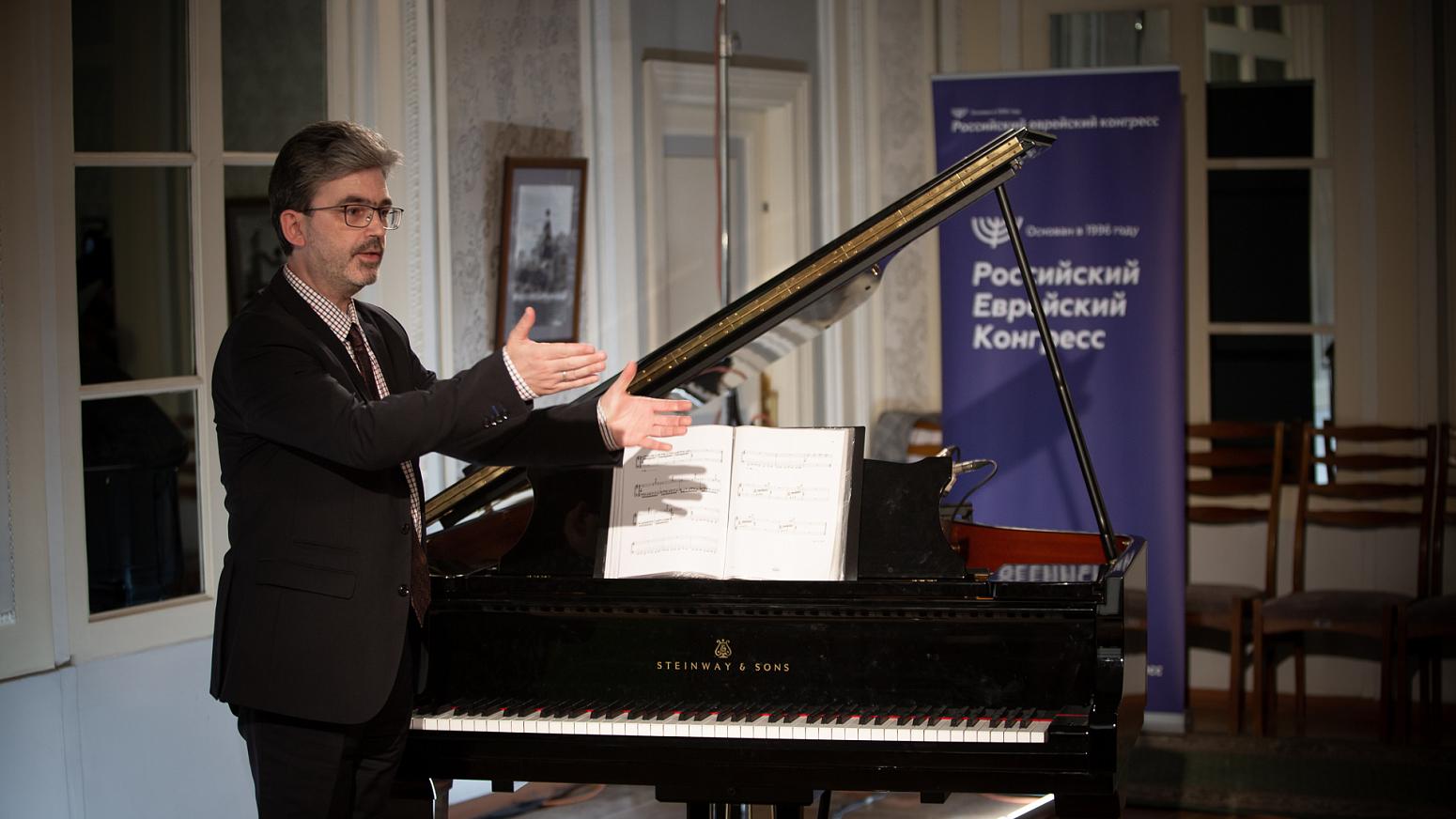
Triadic Memories
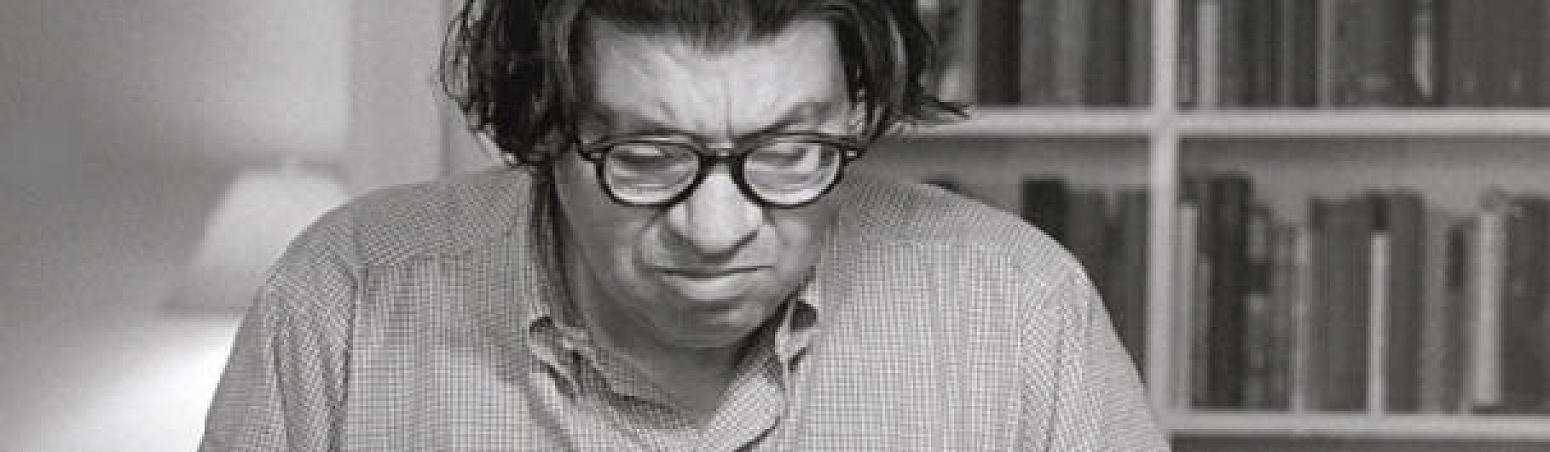
Morton Feldman (1926–1987) – an American composer whose ancestors came from Russia – today is considered as one of the most original and unusual artists of the XXth century. His artistic ideas were formed under the strong influence of outstanding thinkers of the epoch: John Cage, Jackson Pollock, Samuel Beckett. His original music pieces oblige him to reinterpret the essence of music and its hidden possibilities. The piano was the favourite of Feldman`s instrument but he wrote orchestral and chamber music as well (Second Quartet is amazing in its duration – it lasts for 6 hours!) His last composition – “Coptic Light” for symphony orchestra – composer wrote being deeply impressed by the exhibition of Coptic textiles and carpets which were of great interest for him. Piano gave him the possibility to observe the resonance of the open strings which was necessary to listen to overtones. This fact was crucial for the pedal technique – the right pedal in Feldman`s piano pieces had to be held throughout all the length of music as if piano somehow became something close to a harp. The names of Feldman`s musical pieces are astounding and reflect all the profoundness of his unusual vision: «Why patterns?», «Vertical thoughts», «Projection III», «Intersection II», «In search of an Orchestration» etc. A question arises: who wrote all these pieces? A philosopher? A painter? Morton Feldman was a philosopher as well as an artist and one of the most original thinkers of his epoch. Among his friends, we find all the outstanding members of New York abstract expressionism school such as Jackson Pollock, Mark Rothko, Philip Guston, Willem de Kooning (Feldman dedicated separate musical pieces to all of them). The most original music philosopher John Cage often met with Feldman and these meetings led to the composer`s new initiatives and findings. In Feldman’s output, you cannot discover any limits: his creative mind penetrates every pore of artistic life and it is impossible to understand whether he is a musician or a “world citizen” because his thought is free and this freedom lets him go everywhere and see everything in a different light (see.: The East by Reuven Mazel, p. 93).